
Power Outage Reporting Tool


Product Designer
User Research
UX Strategy
User Interviews
Usability Testing
Lo-Fi & Hi-Fi Prototyping
Figma
Figjam
Miro
July 2022 – July 2023
Team Size: 40Legacy Outage Management tools are outdated and not optimized for modern browsers, making navigation cumbersome for users. Systems like FocalPoint and several standalone applications create a steep learning curve, especially for new users. Additionally, the lack of a centralized, real-time view of outage data limits operational visibility.
User management is partially handled through manual processes such as Excel spreadsheets, which introduces inefficiencies and increases the risk of data errors.
Although users are assigned to specific geographic areas, they often receive irrelevant outage information from unrelated regions. This causes confusion, disrupts workflows, and reduces productivity. The user interfaces are cluttered and data-heavy, making it difficult for new users to quickly understand and operate the system. Training senior staff becomes especially challenging under these conditions.
During storm events, when timely support is critical, the current systems often fail to scale, leading to delays in response and increased frustration for both employees and customers.
To address these challenges, we need to modernize the user experience, streamline outage management workflows, and design resilient systems that perform effectively under high-load conditions.
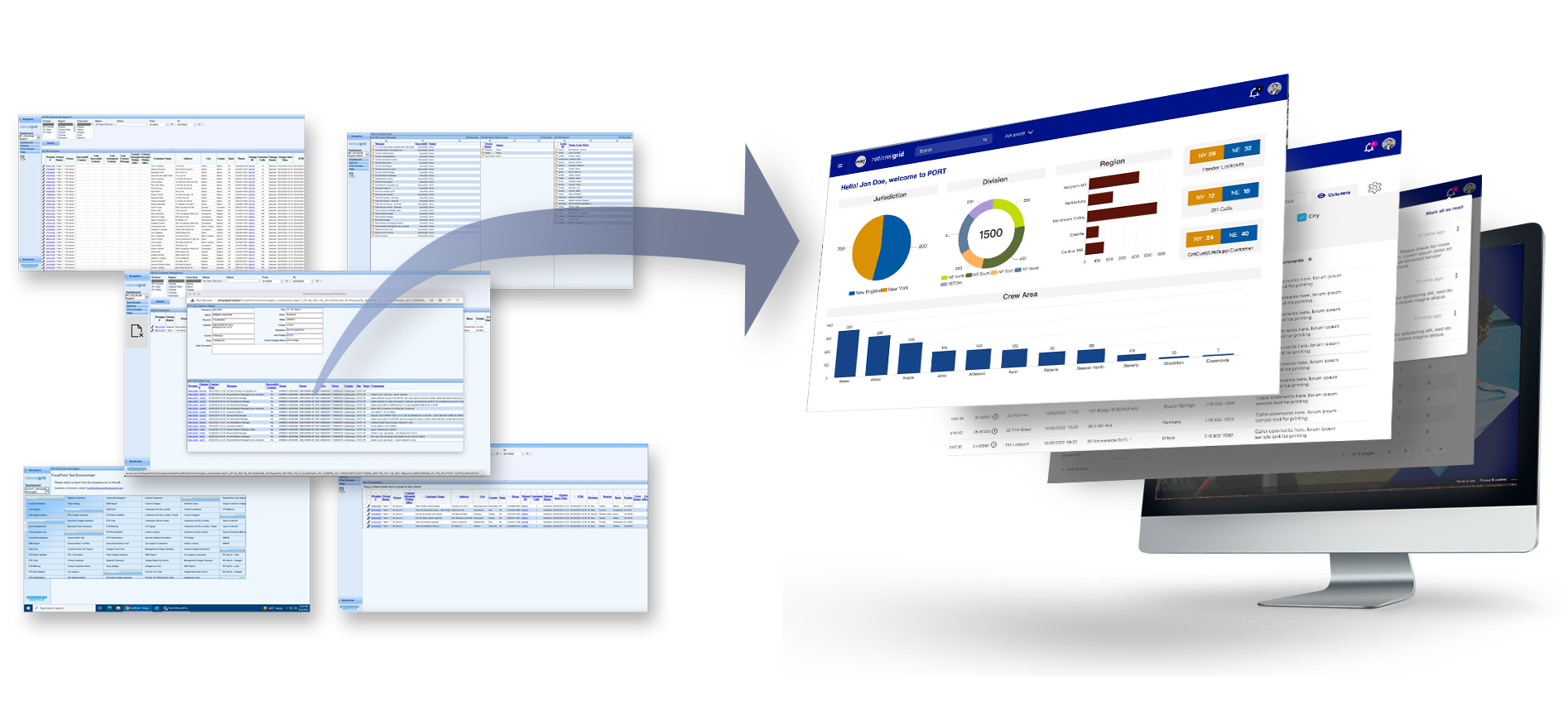
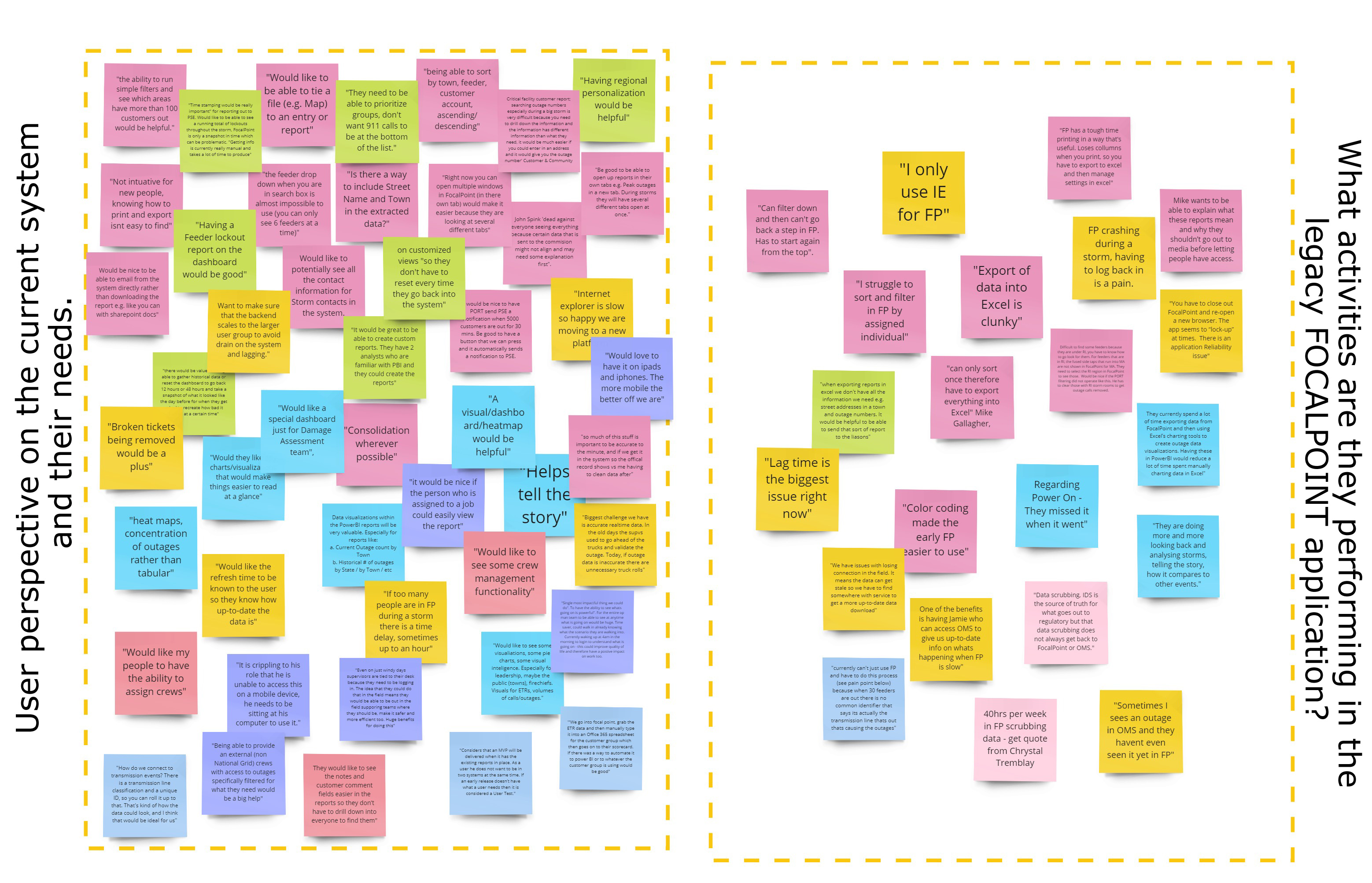
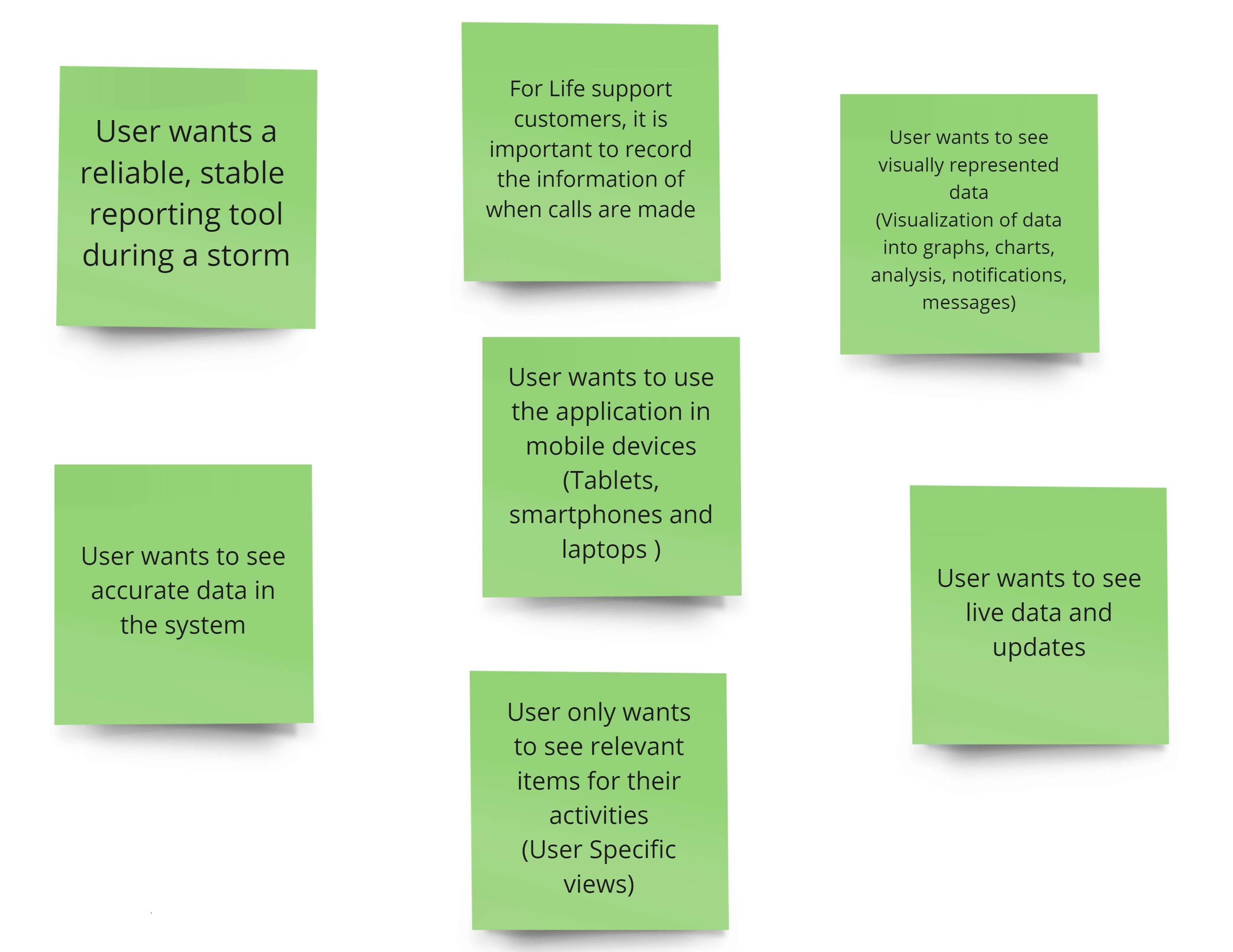
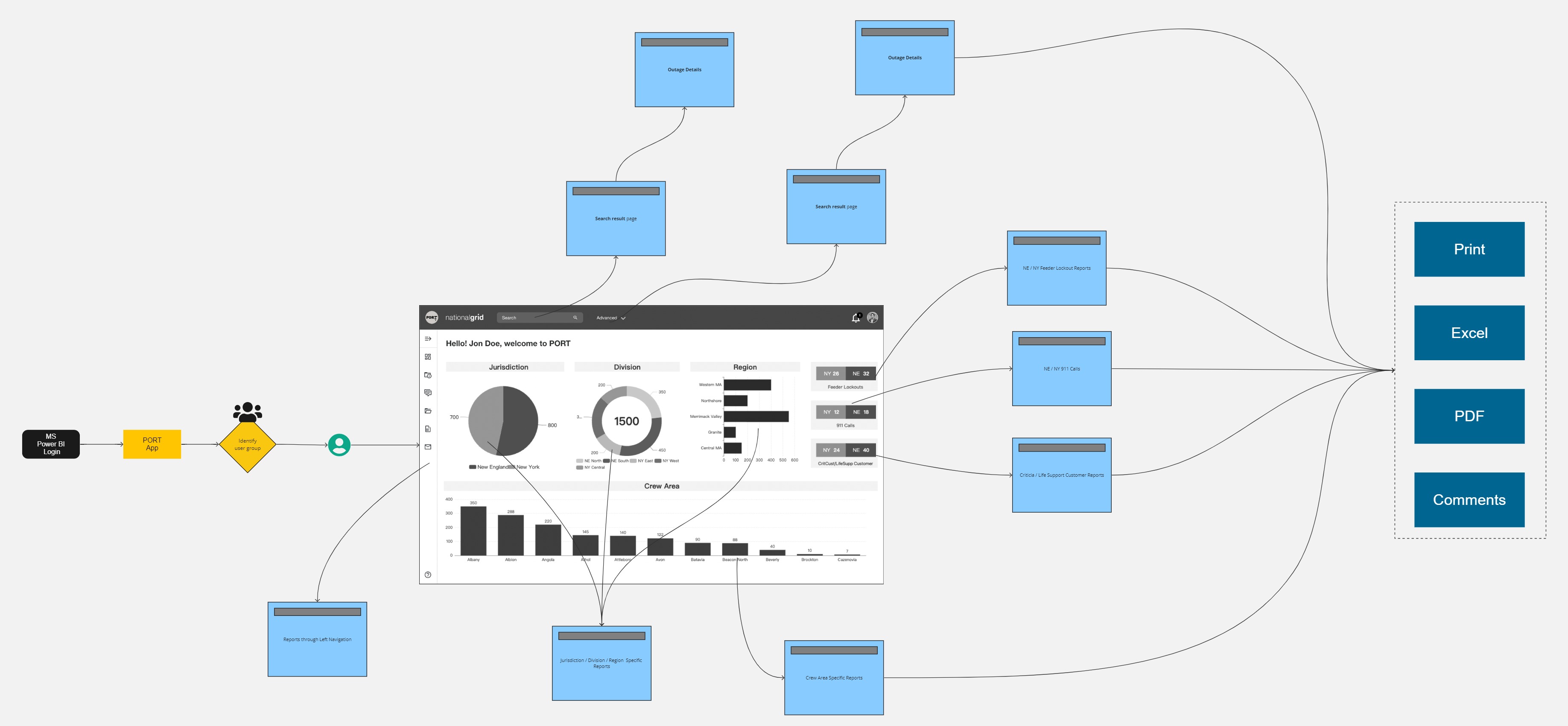
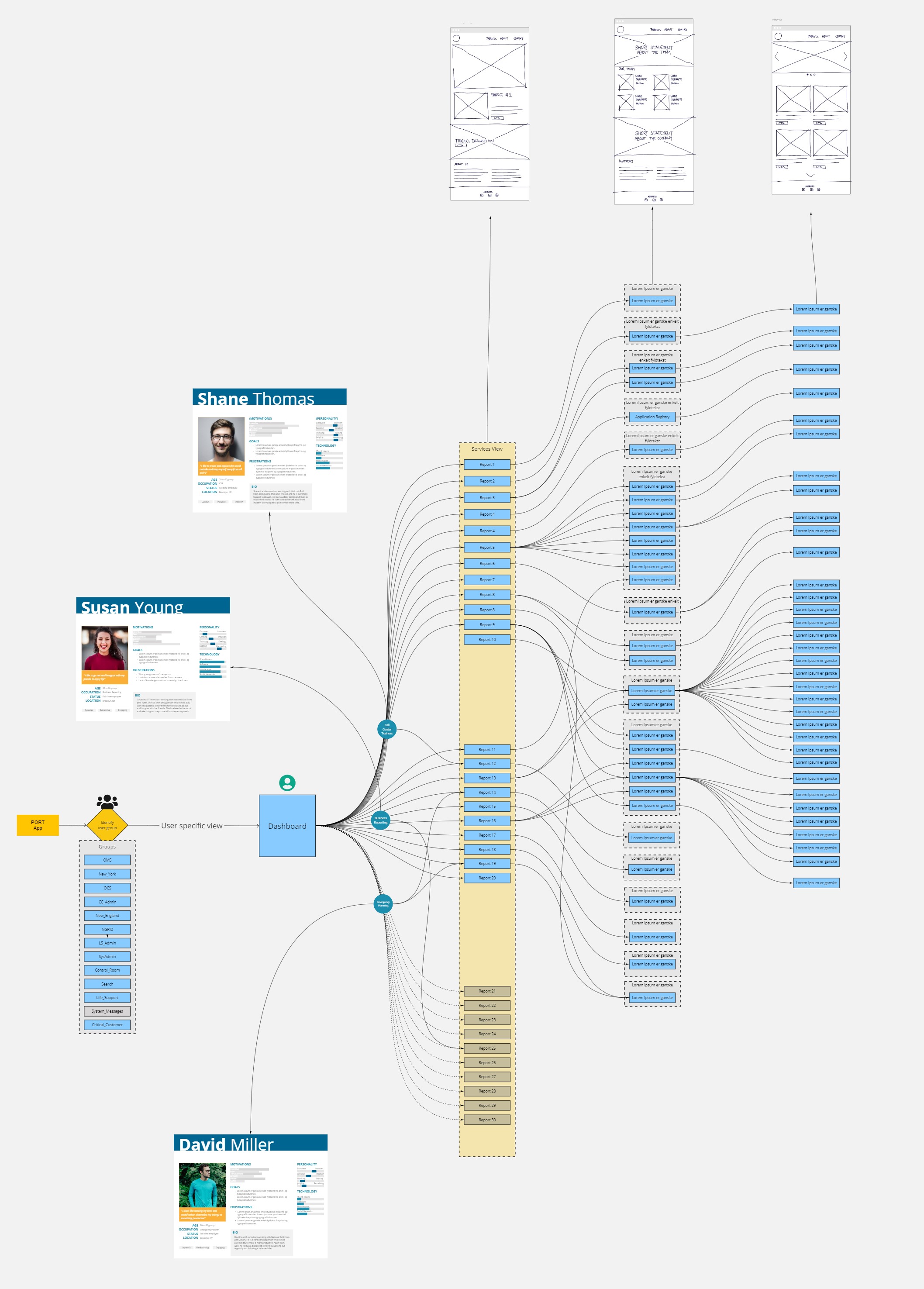
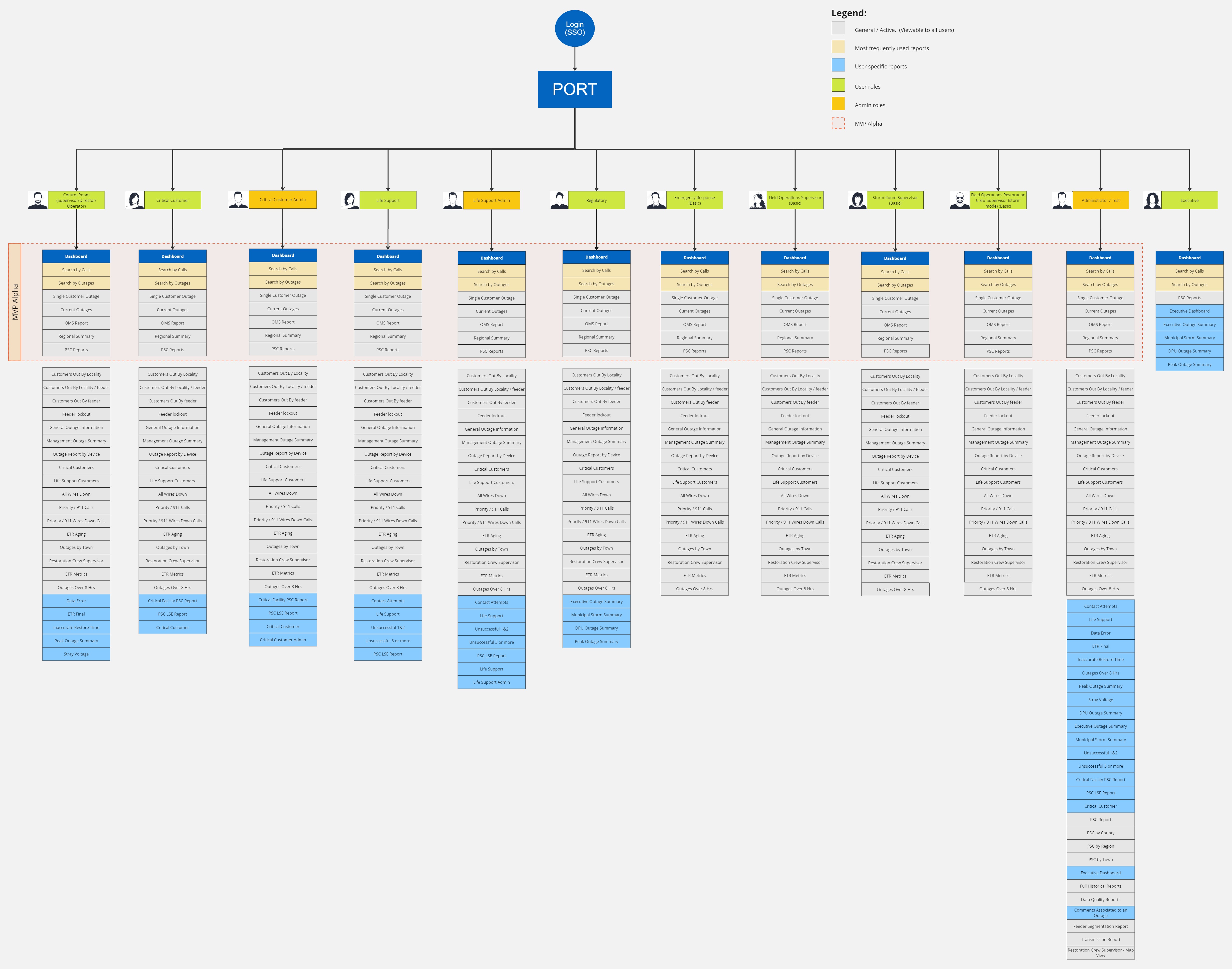
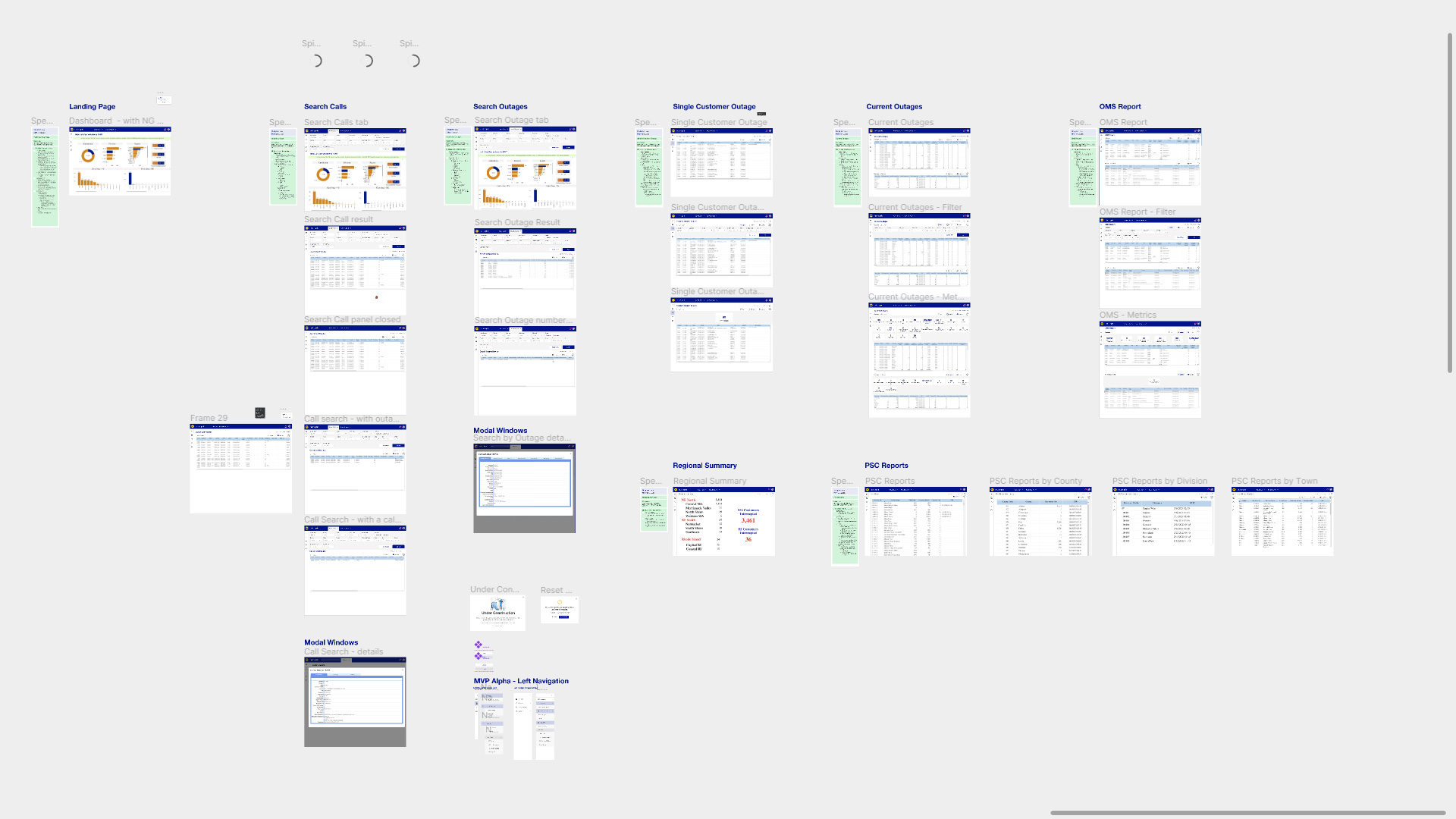
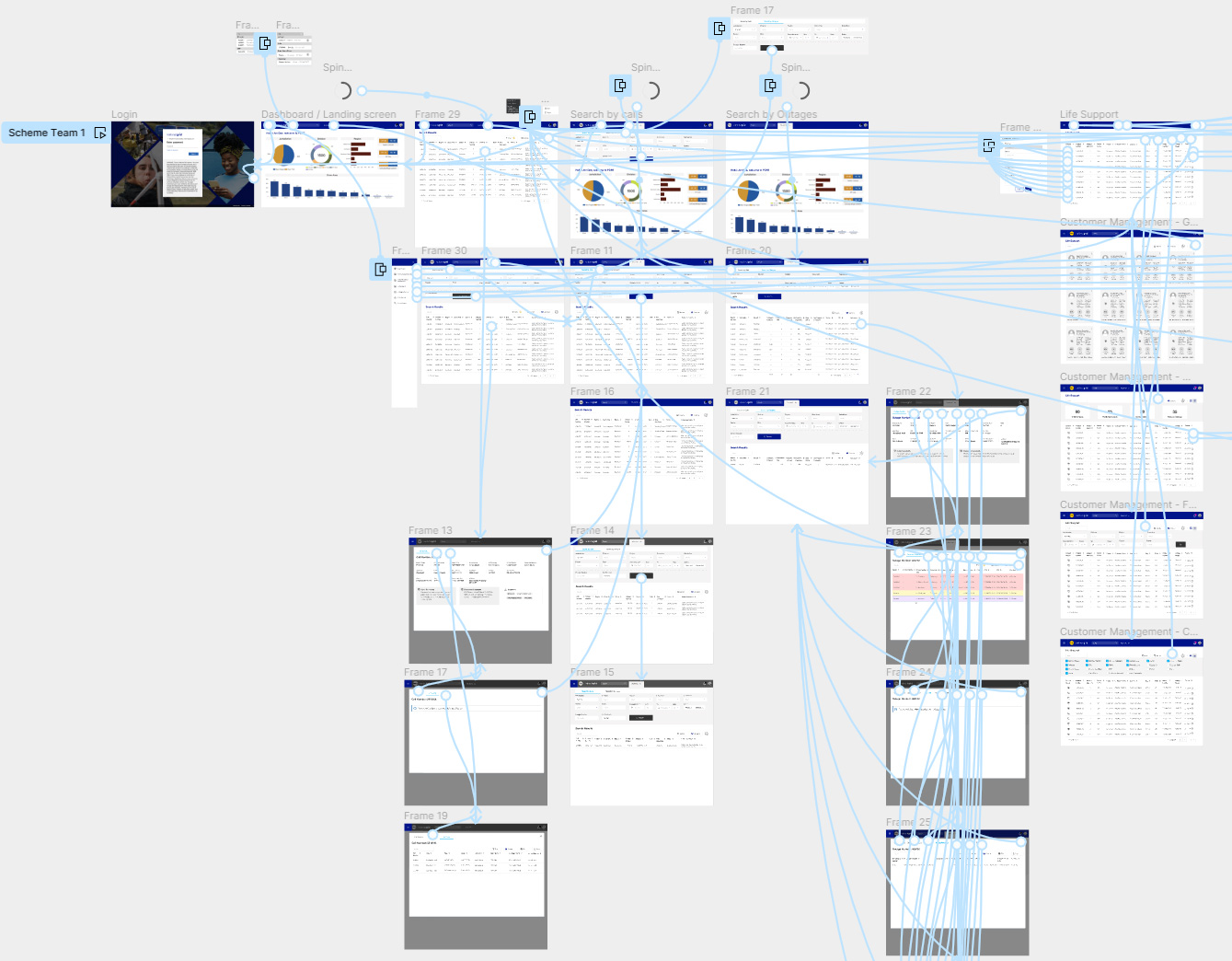
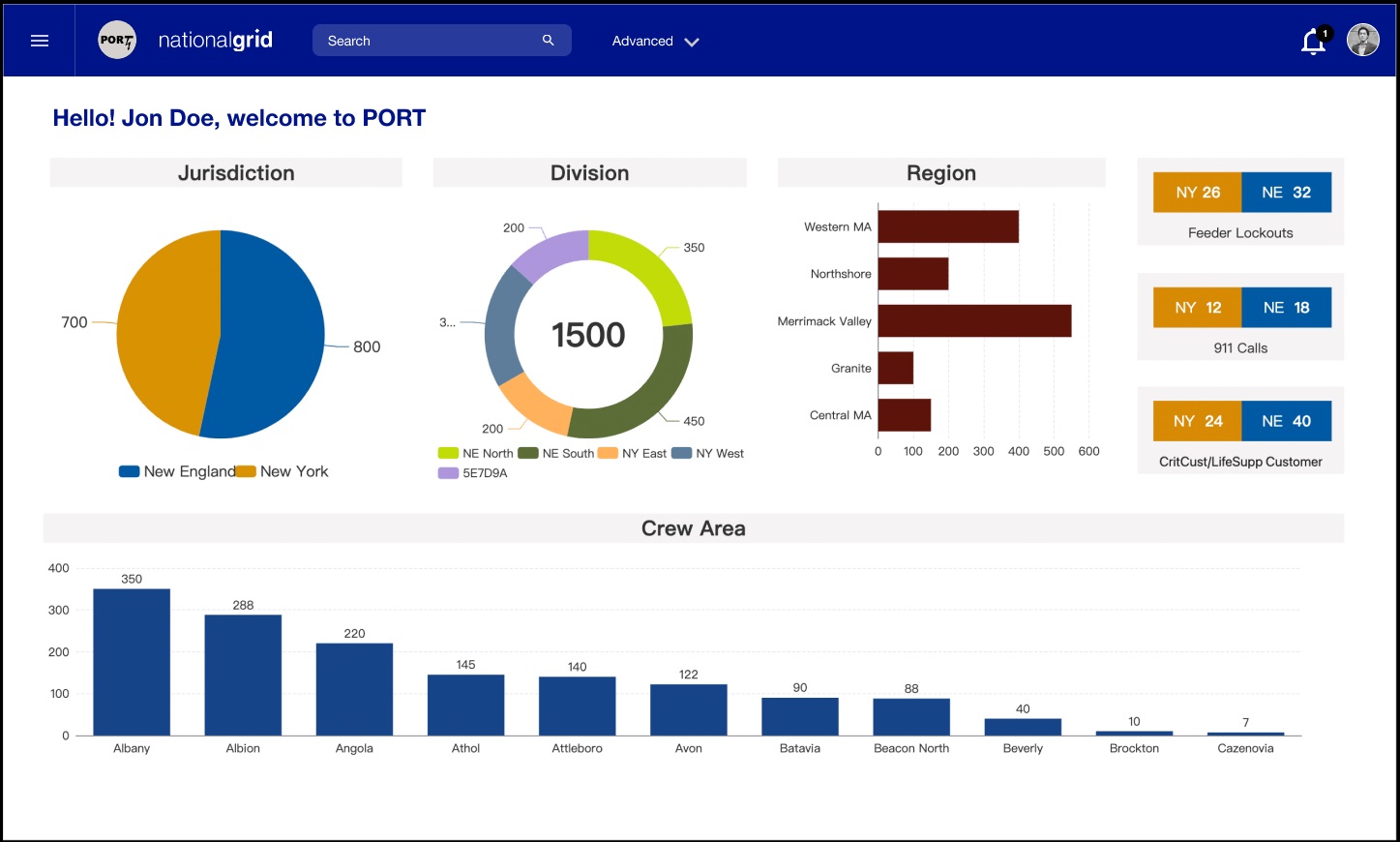
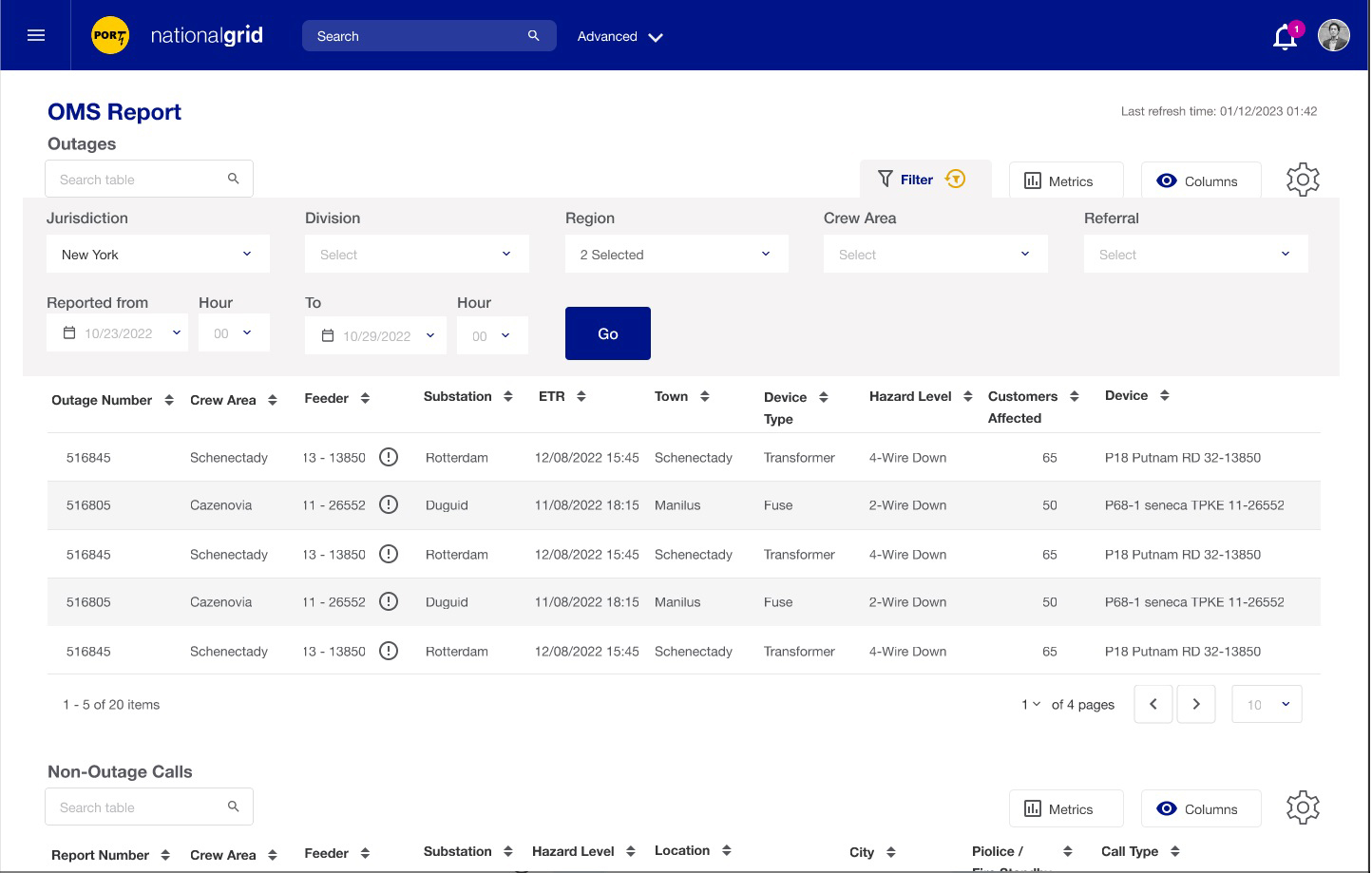
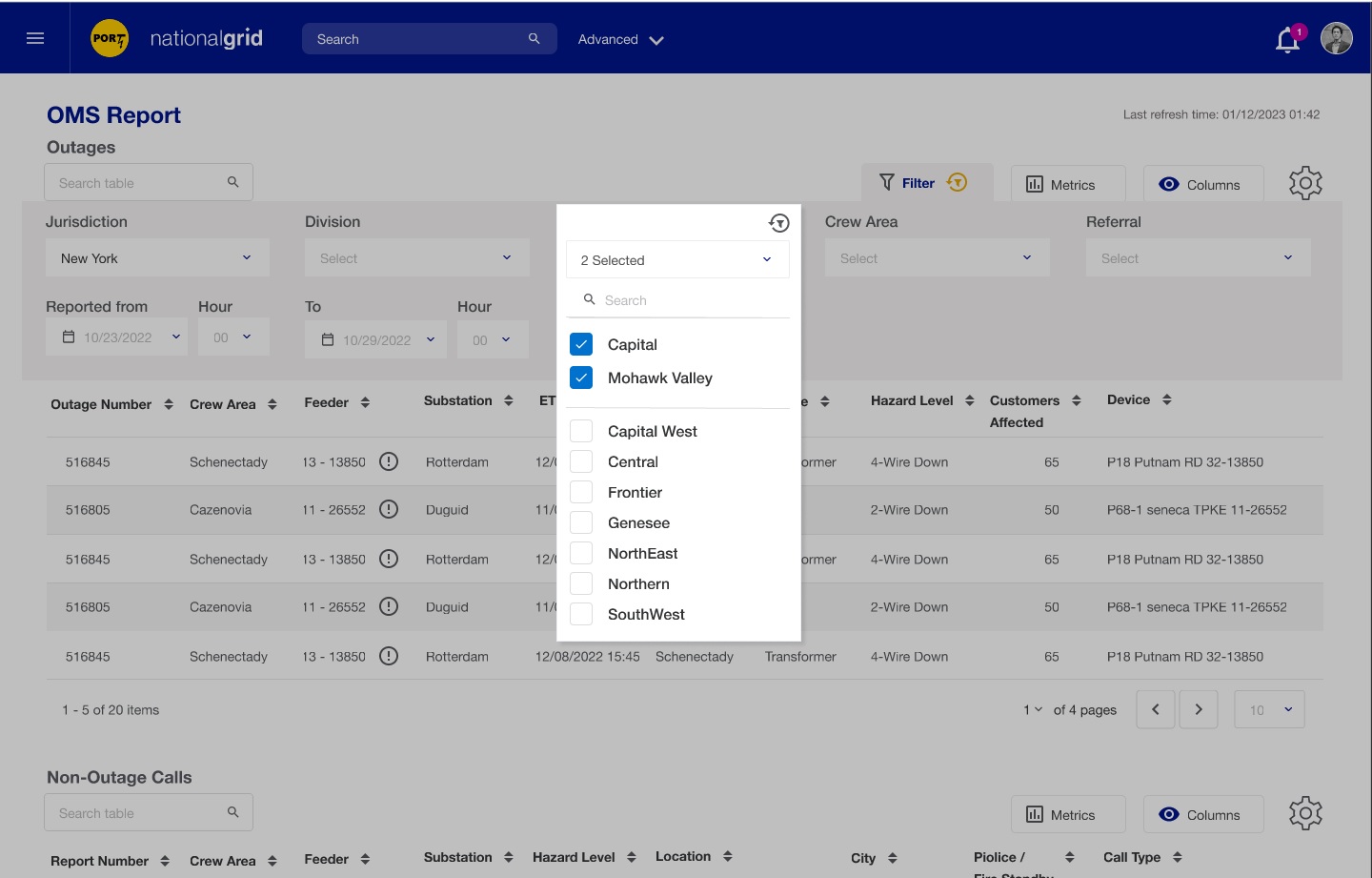
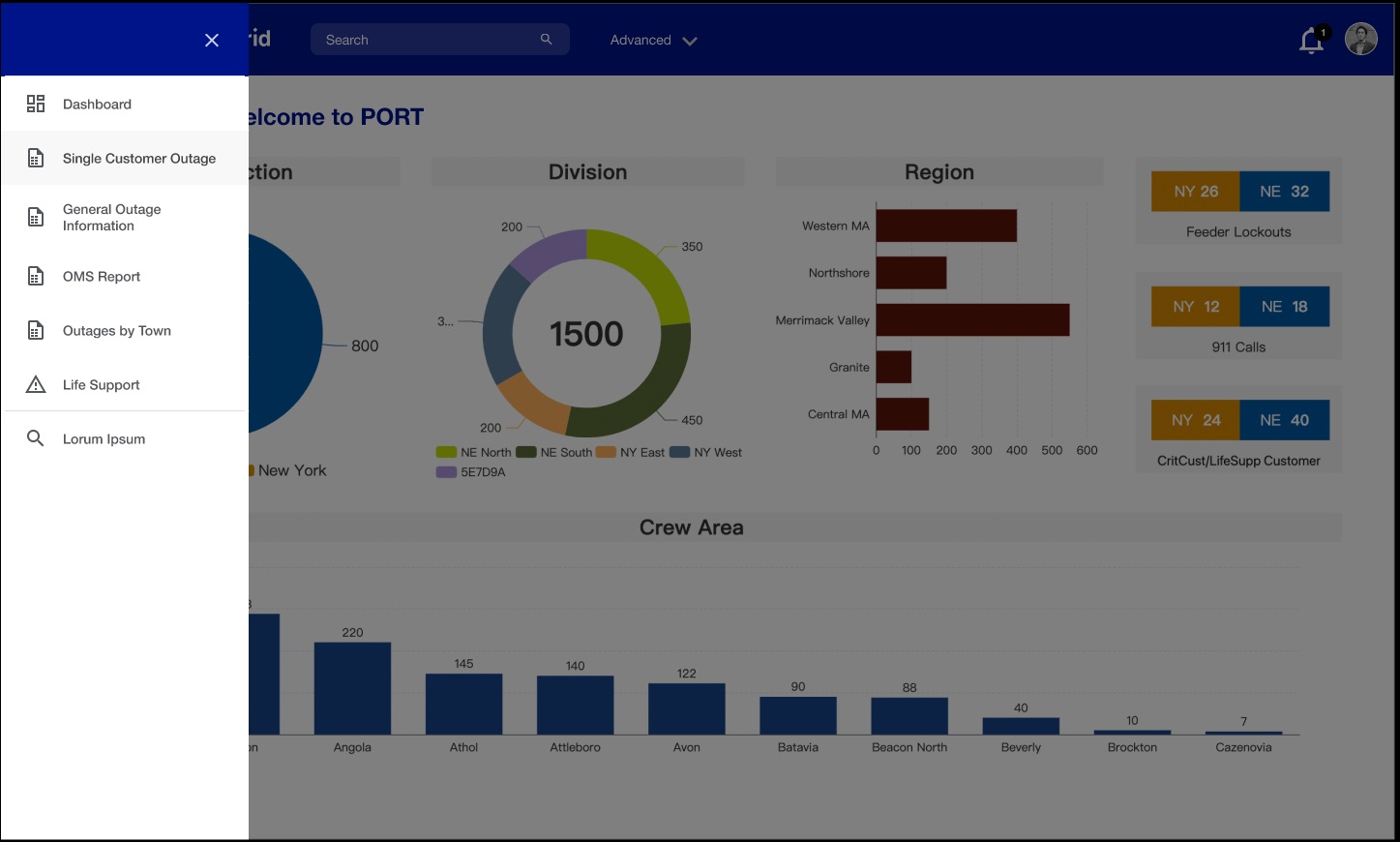
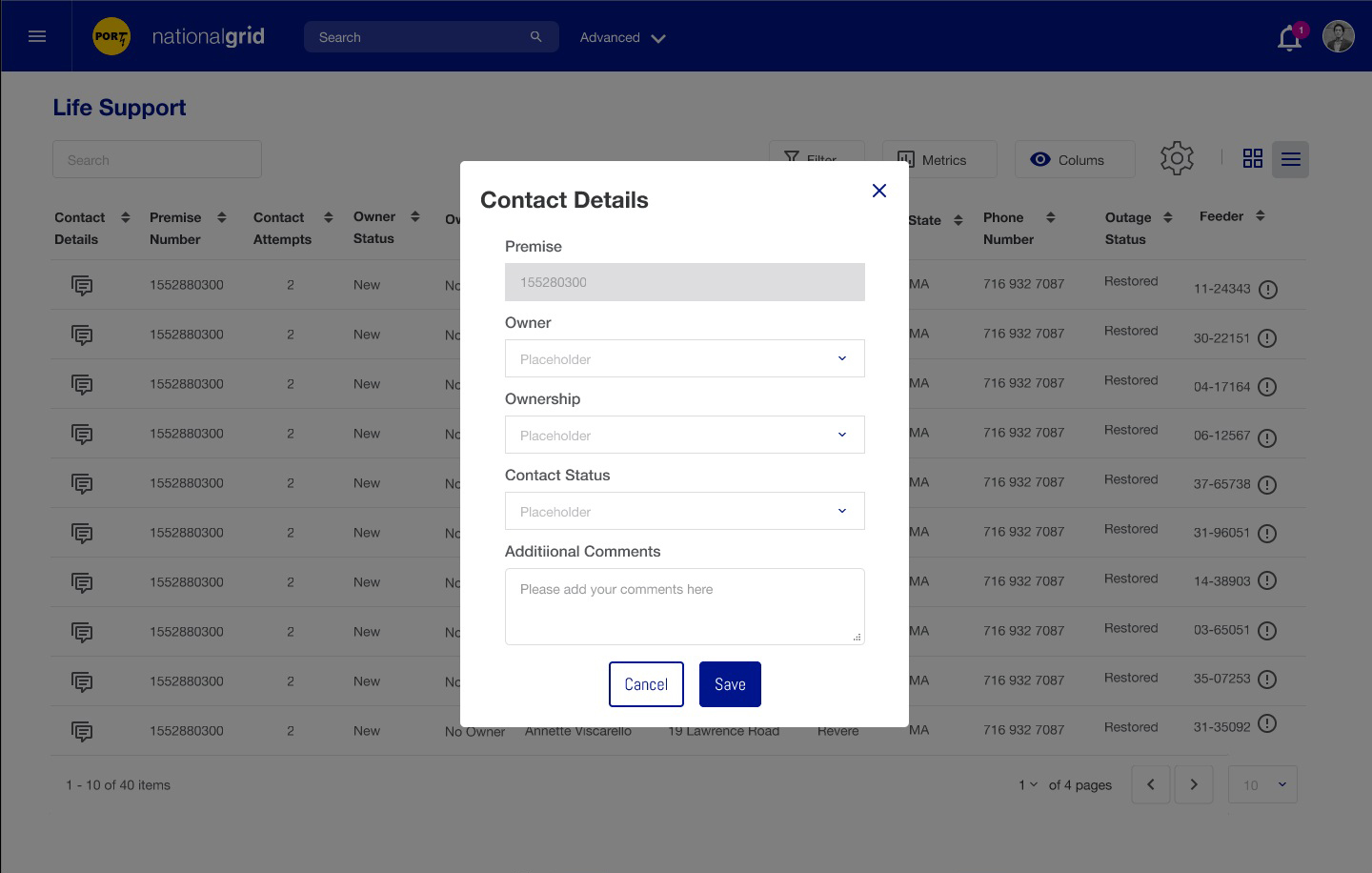
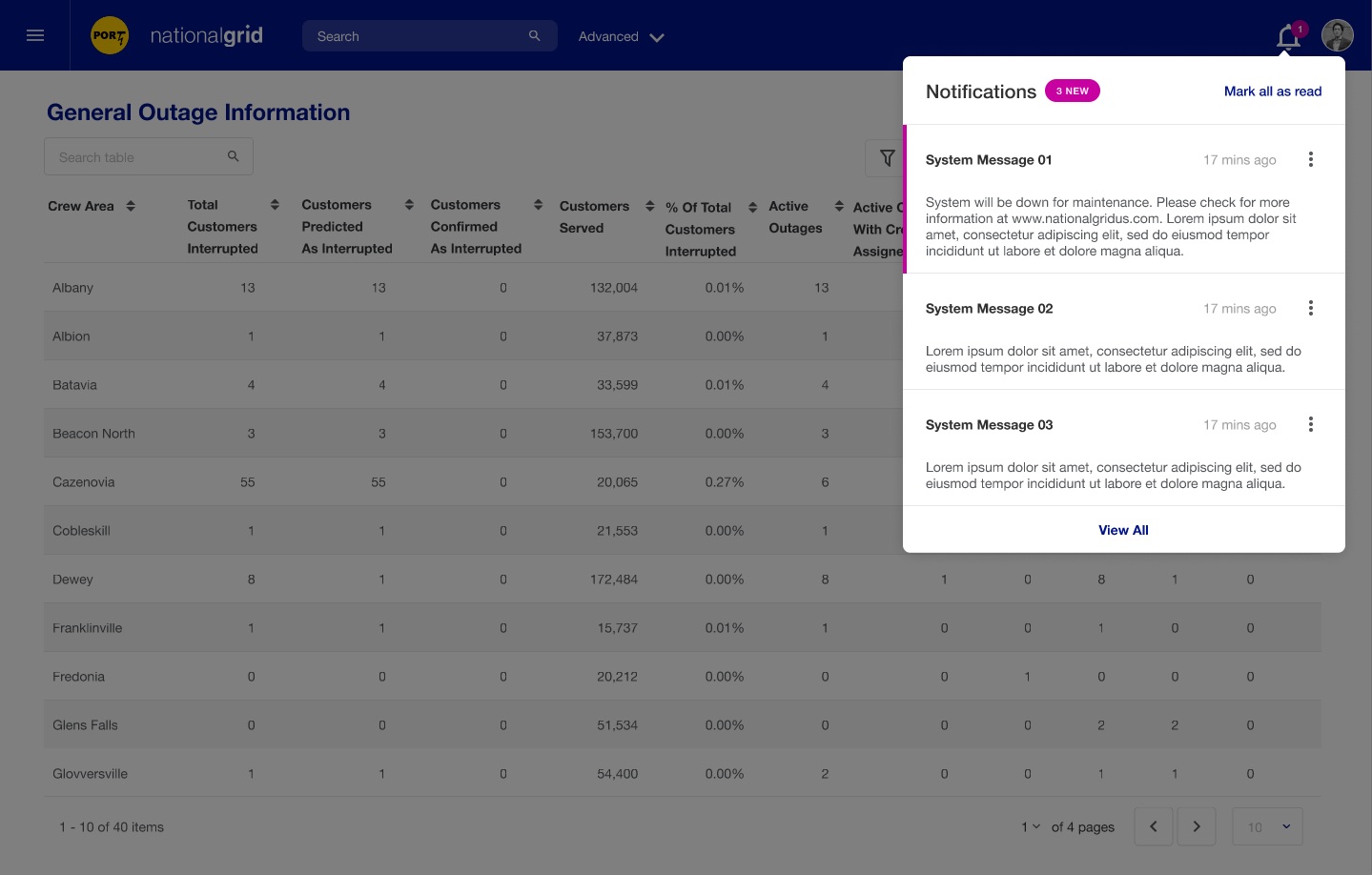
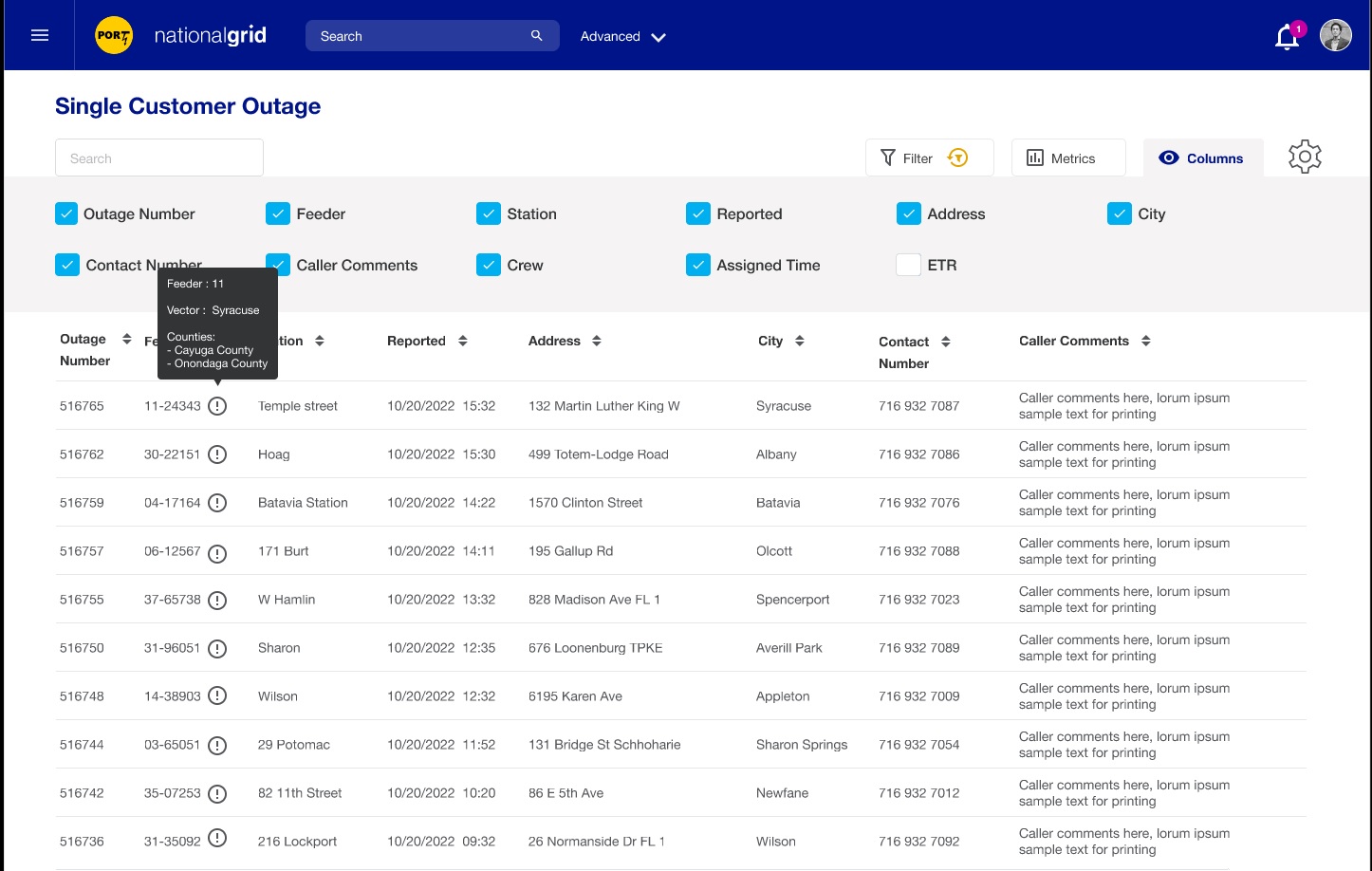
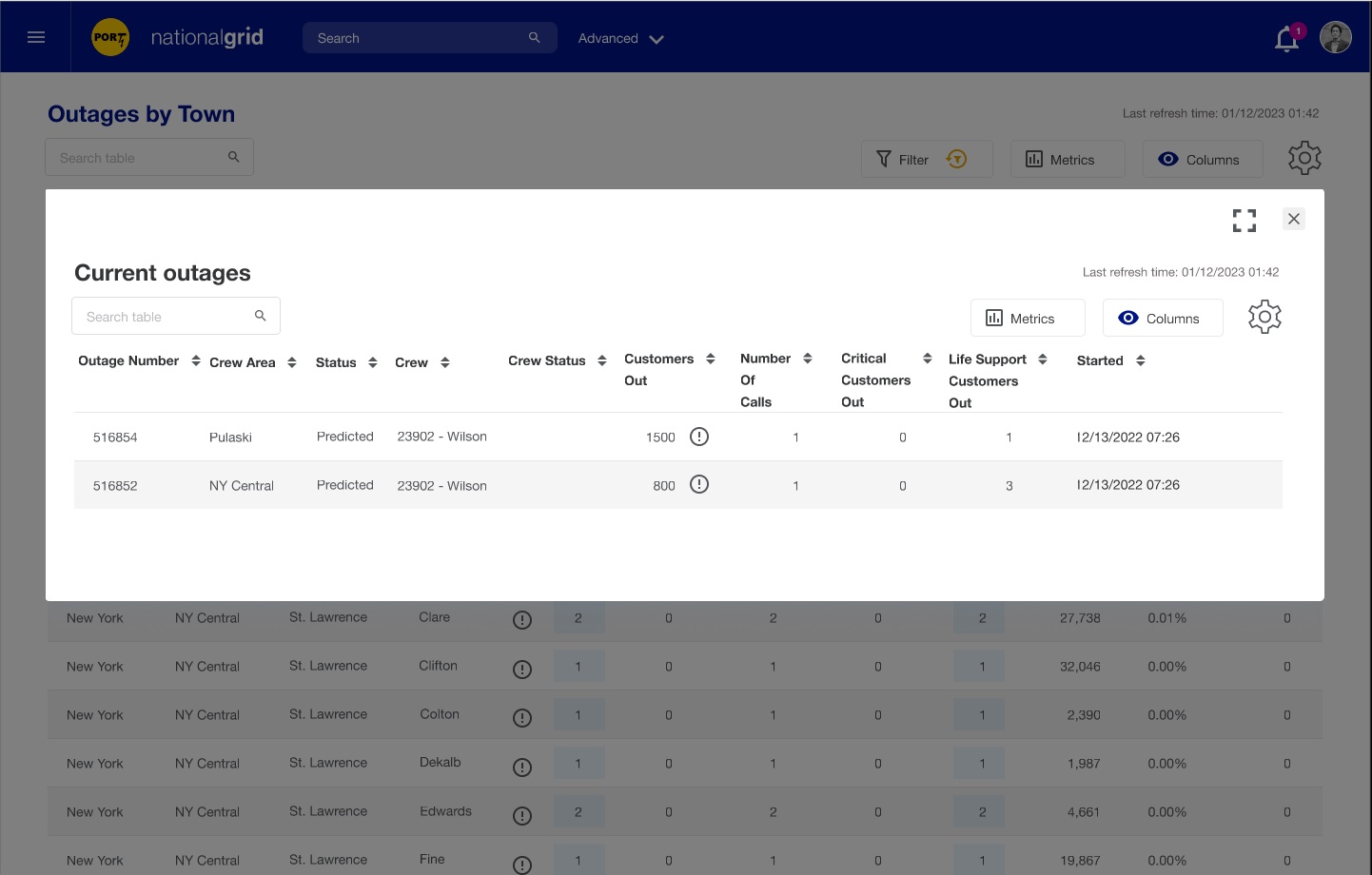
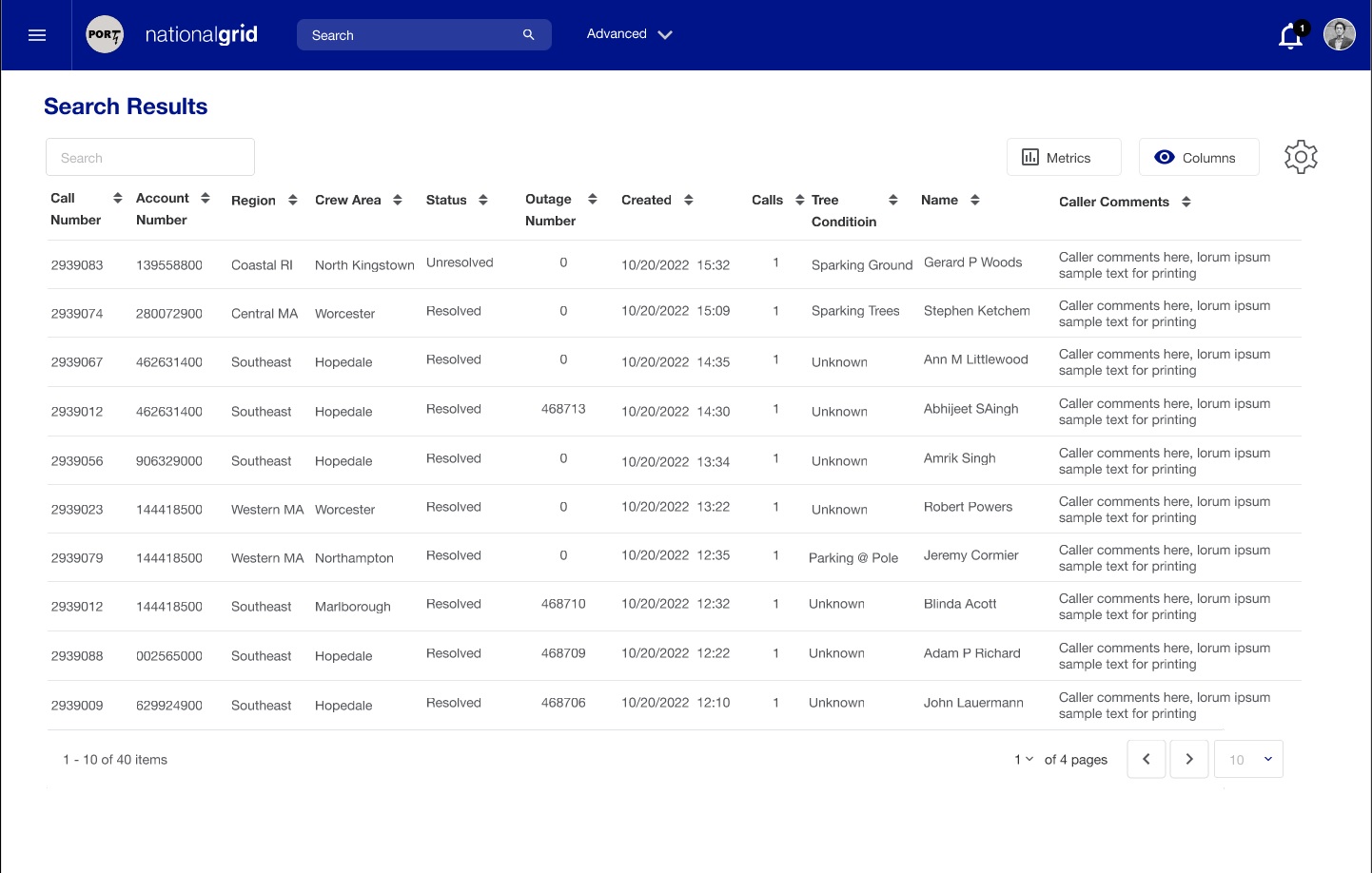
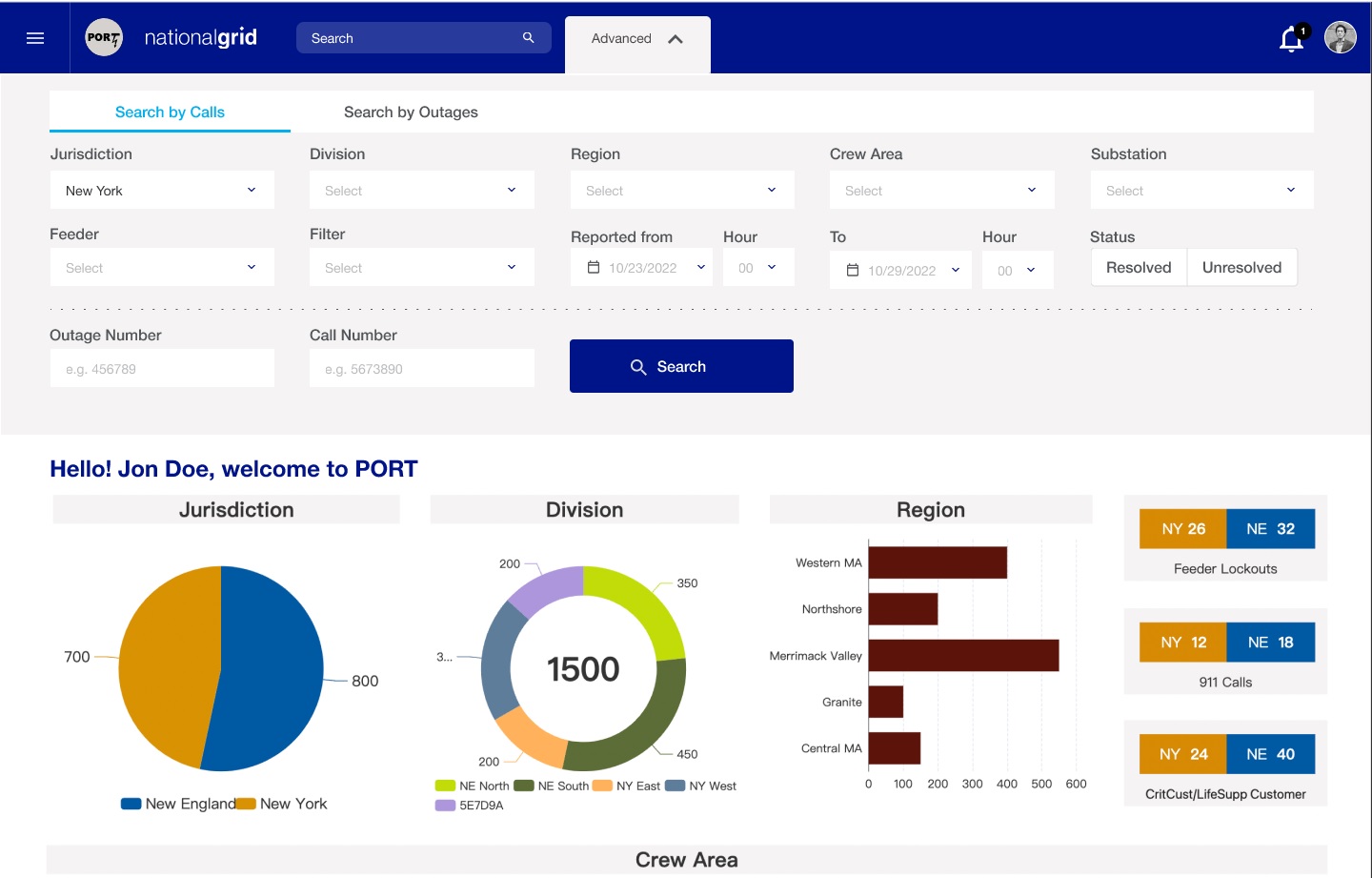
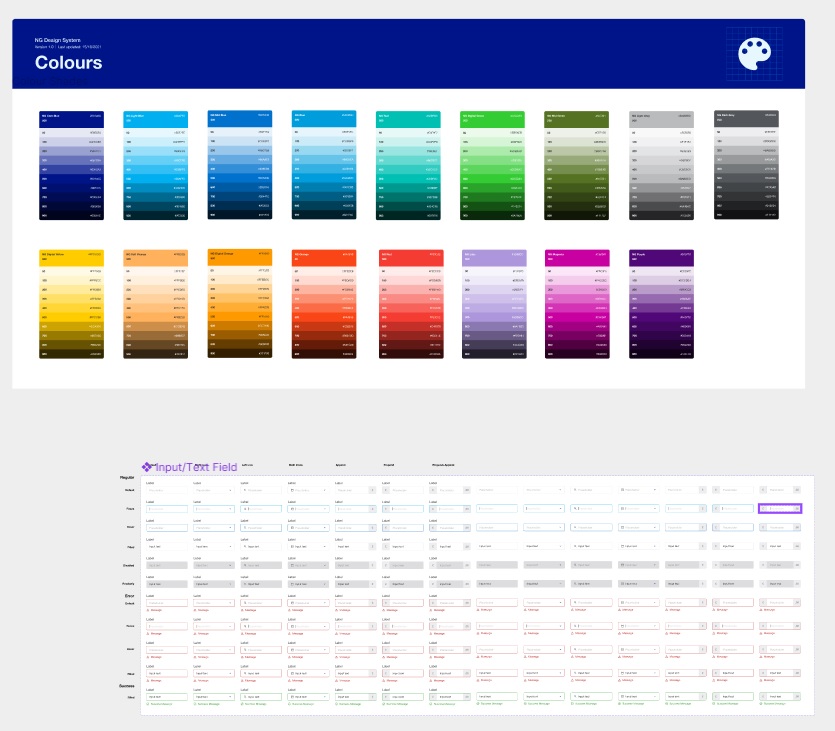
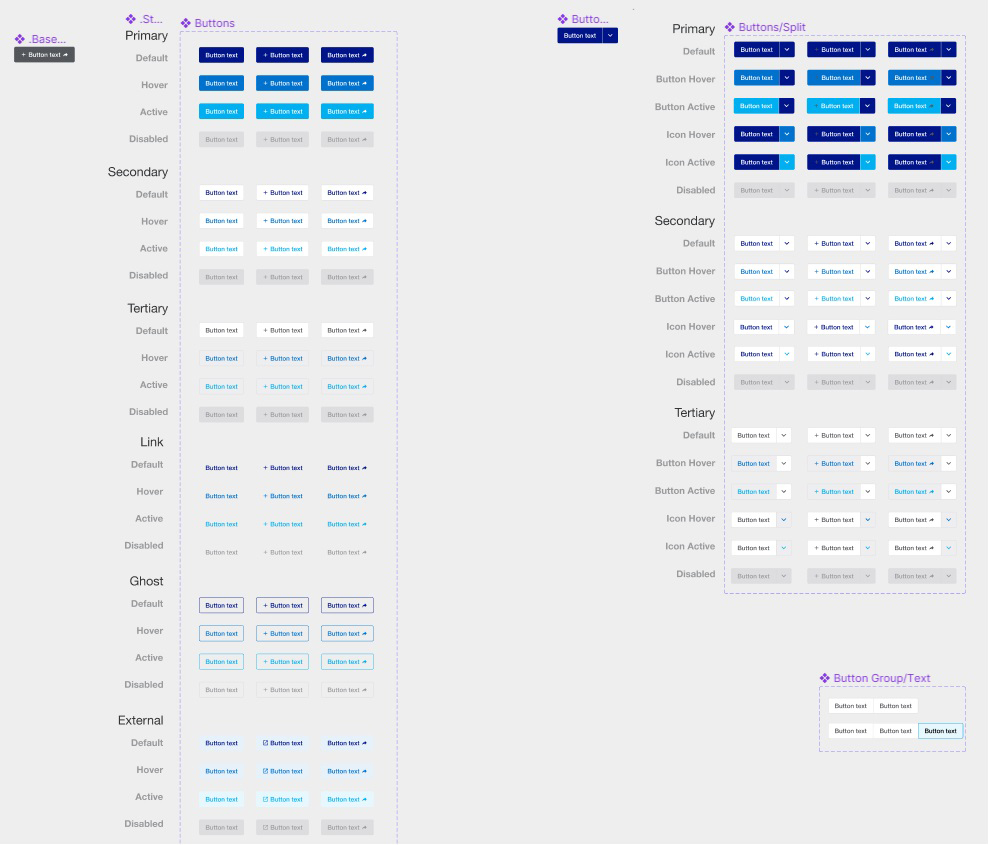
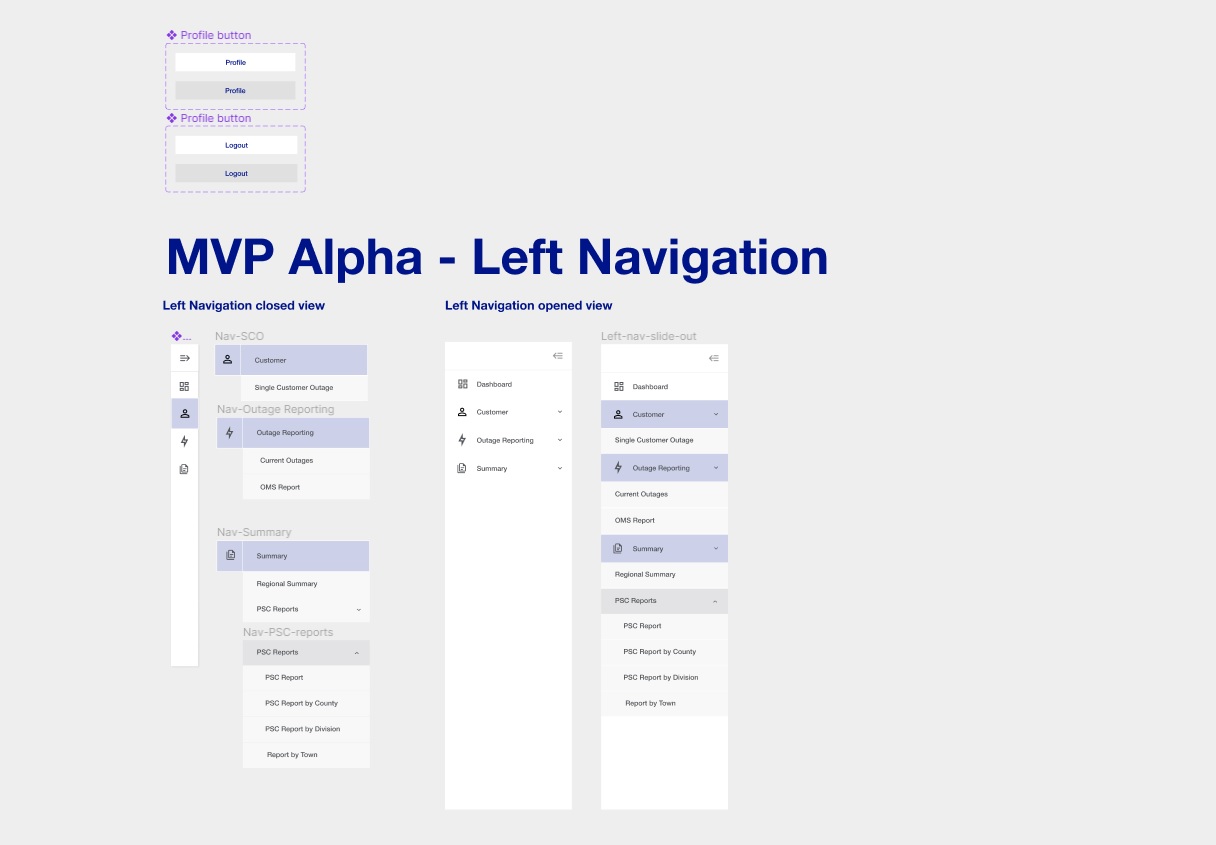
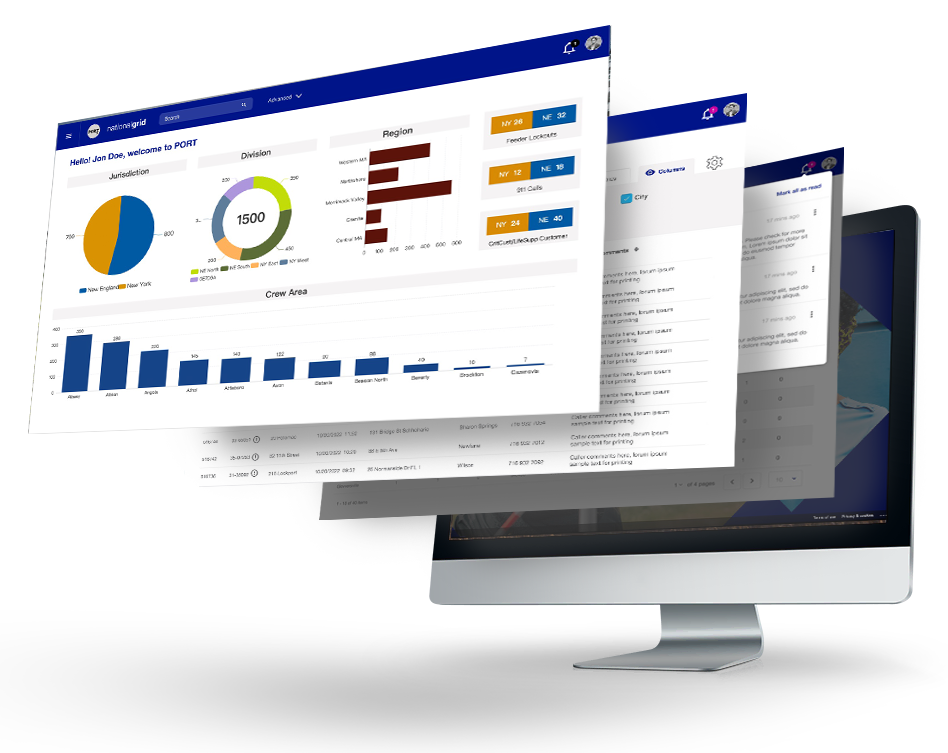
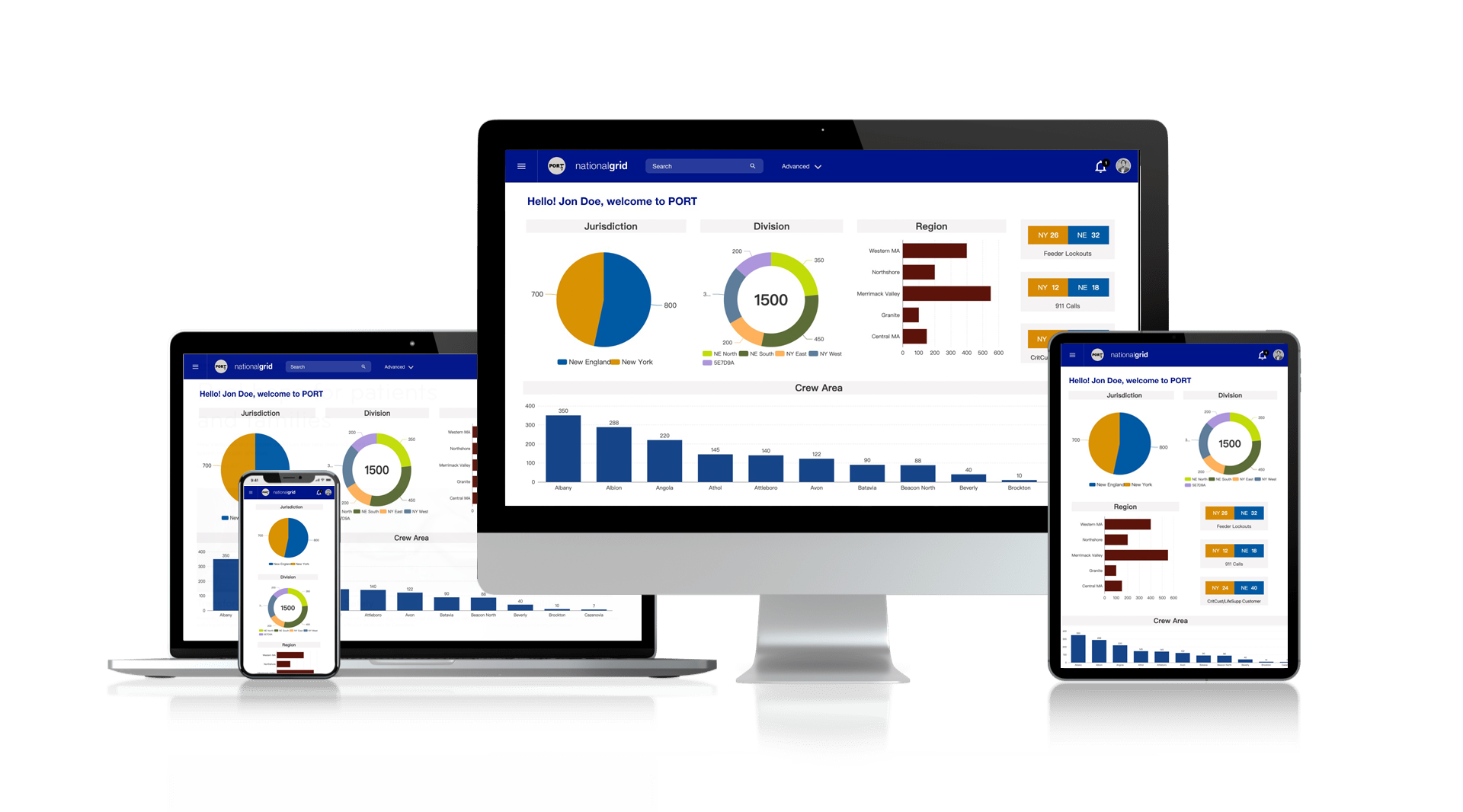
PORT seeks to address these challenges by creating a unified view of power outages in both New York and Massachusetts jurisdictions. It offers users a tailored view, focusing on relevant tasks and responsibilities. The UX team conducted thorough user research, actively participated in brainstorming sessions, created detailed personas, and developed comprehensive user journey maps. Low-fidelity and high-fidelity wireframes were meticulously designed to ensure that application screens are not only visually intuitive but also facilitate quick learning and usage. Through clear and effective communication, the UX team collaborated seamlessly with diverse professionals, including PowerBI experts, React JS developers, Quality Assurance specialists, and product managers, playing a pivotal role in creating successful deliverables.